Devon Schwarz · 1 September 2026
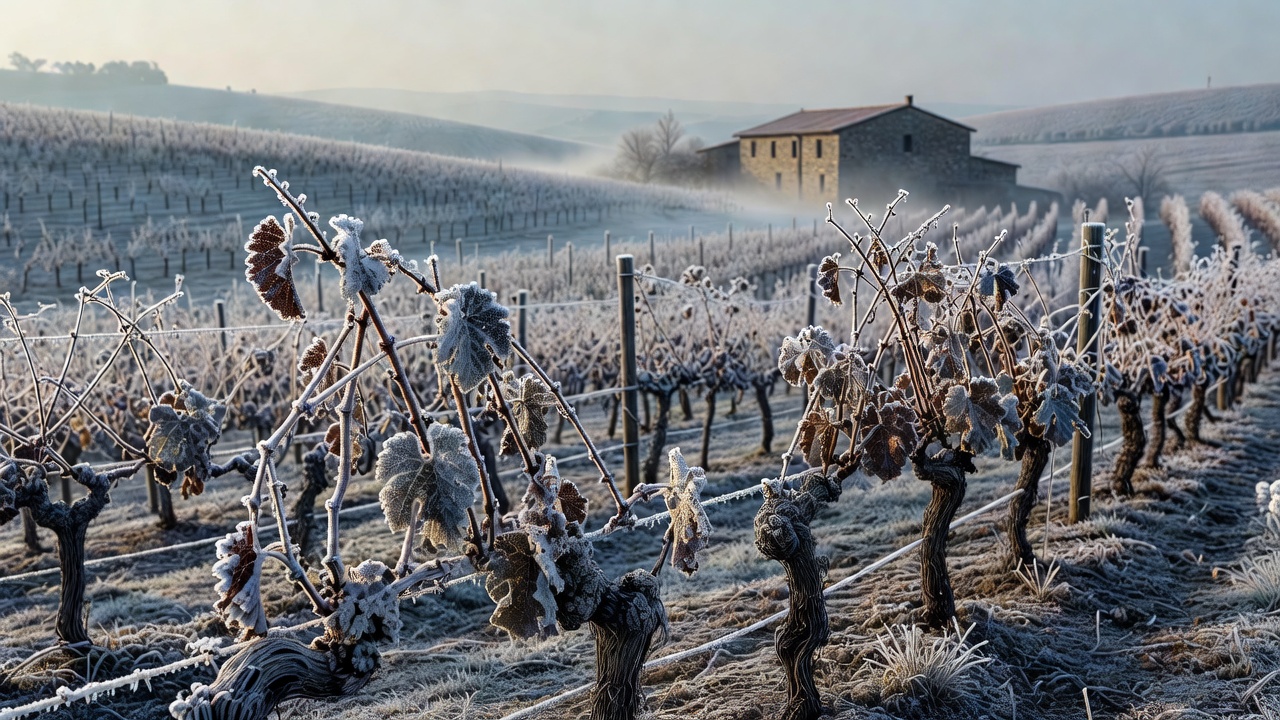
Farmers in the regions surrounding Silvora have reported significant damage to their vineyards following an unexpected early frost last week. The frost, which occurred on the nights of October 5 and 6, caught many growers off guard as temperatures dropped below freezing earlier than usual in the season. This event has raised concerns among the local agricultural community about the potential long-term effects on grape production and overall vineyard health.
Extent of the Damage
According to reports from the Silvora Agricultural Cooperative, approximately 250 hectares of vineyards have been affected to varying degrees. Young vines and those in lower-lying areas suffered the most, with leaf burn and bud damage observed. Experienced farmer Johan Berg noted that his family vineyard lost nearly 40 percent of its expected yield for next year due to the frost. "We have never seen frost this early in my 30 years of farming," Berg stated. Other farmers echoed similar sentiments, describing blackened leaves and shriveled buds across their properties. Local meteorologists attribute the early frost to a sudden cold front moving in from the north, combined with clear skies that allowed for rapid heat loss overnight. Soil moisture levels were also lower than average, exacerbating the vulnerability of the plants. Additional surveys indicate that certain grape varieties, such as the local Silvora red, are more resilient but still show signs of stress. The frost event highlights the increasing variability in weather patterns observed in recent years, prompting calls for better preparedness among the farming community.
Responses from Authorities and Experts
In response to the reports, the regional agricultural department has initiated assessments to determine the full scope of the damage. Experts recommend that affected farmers prune damaged areas promptly and apply protective mulches to help vines recover. Additionally, insurance claims are being processed for those who have coverage against weather-related losses. The economic impact could be substantial if yields are reduced significantly, affecting not only individual farms but also the broader supply chain including wineries and exporters. Community meetings are being organized to share best practices and support affected growers. Further studies are planned to understand climate patterns and prepare for similar events in the future. Farmers are advised to diversify their crops or invest in frost protection equipment such as wind machines or heaters to mitigate risks going forward. Monitoring of soil conditions and vine recovery will continue throughout the winter months to ensure optimal conditions for the next growing season. Regional officials are also considering subsidies for protective measures to aid recovery efforts in the coming months. Local wineries are assessing their stocks and considering adjustments to production schedules to account for potential shortages in the upcoming harvest. Data from weather stations around Silvora show that minimum temperatures were 3 degrees lower than the average for this time of year.