Uma Reed · 1 September 2026
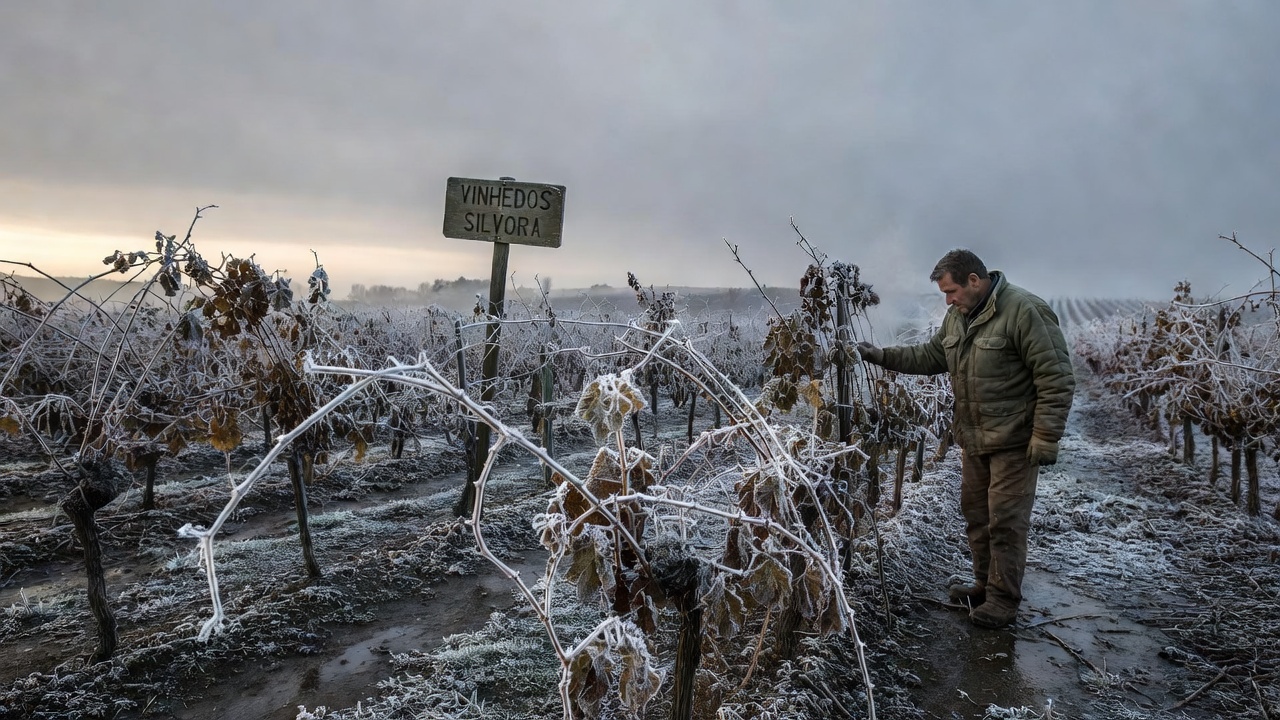
Farmers near Silvora have begun reporting extensive damage to their vineyards following an unusually early frost event that struck the region last week. The sudden drop in temperatures has affected grapevines at a vulnerable stage of growth leading to concerns over this year's harvest yields and overall production levels for local wineries. Additional surveys are underway to gather more precise data on affected acreage and grape varieties most susceptible to such events.
Assessment of Vineyard Losses
According to local farming associations the frost has caused damage across multiple vineyards with some reporting up to forty percent loss in bud viability. Specialists have visited several sites to evaluate the extent and provide guidance on recovery options available to growers. Soil conditions and vineyard elevation played significant roles in determining how severely each area was impacted by the freezing conditions. Many farmers are now calculating the financial implications for their operations as they prepare for potential reduced production in the upcoming season. Weather records confirm that this frost arrived approximately two weeks ahead of historical averages for the area prompting further analysis. This has led to increased collaboration among neighboring farms to share resources and information regarding best practices in frost management and vine care throughout the growing period.
Support Measures and Industry Response
Farmers are seeking advice from agricultural experts on how to protect remaining vines and plan for next season effectively. Insurance claims are being filed by those with coverage while others explore alternative crops or diversification strategies to offset losses. Wineries that source grapes from these farms are monitoring the situation closely as supply chain disruptions could affect wine availability and pricing in coming months. Community forums have facilitated knowledge sharing on effective frost protection techniques such as heaters and covers for future prevention. Long term solutions may involve breeding programs for more resilient varieties suited to the local climate of Silvora. The event serves as a reminder of the risks inherent in agriculture and the need for proactive planning in the rural economy of the region.